Guide · August 11, 2026
Beep vs GCash vs FILIPAY — Which Cashless Option Works on Trains, Buses, and Jeepneys
A practical 2026 comparison of Beep, GCash Commute QR, and FILIPAY — where each payment works on Philippine trains, buses, and jeepneys, and how to carry the right one for a mixed trip.
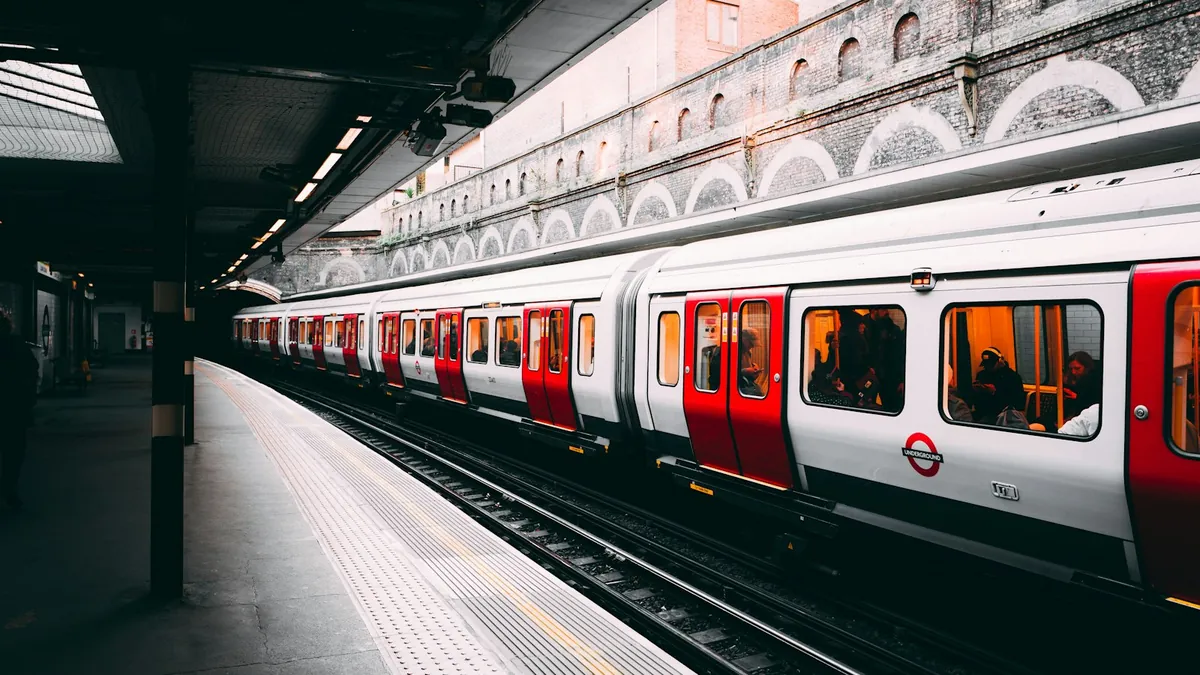
Metro Manila no longer has one cashless fare card for every ride. A trip that starts on a modern jeepney, continues on a city bus, and ends on the train can ask for three different payments: a FILIPAY tap, a GCash commute QR or bank-card tap, and a Beep card. Commuters searching “Beep vs GCash” or “cashless jeepney payment” are usually trying to answer one question before they leave the house: which instrument will actually open the gate or the door on this ride?
This guide compares the three options the way a rider uses them — by vehicle type, not by marketing. It is an independent FILIPAY guide. Product downloads and operator support for FILIPAY stay on filipay.online.
Why Three Systems Exist
Philippine public transport grew in layers. Rail concessions adopted a closed-loop stored-value card. E-wallets later added QR and open-loop tap on selected lines. Public utility vehicle (PUV) modernization put automated fare collection on many new jeepneys and cooperative buses, often through a system such as FILIPAY rather than the rail card.
The Department of Transportation (DOTr) has pushed cashless boarding as part of modernization and rail upgrades. The Bangko Sentral ng Pilipinas has pushed interoperable QR payments in shops. Those are related habits — both reduce coins — but they are not the same product. A QR that works at a sari-sari store does not automatically work on a jeepney validator.
Treat Beep, GCash, and FILIPAY as corridor tools. Carry the one your next vehicle accepts. On a mixed day, carry two.
Beep: The Rail Stored-Value Card
Beep is the contactless stored-value card long associated with Metro Manila rail and some buses. Riders load pesos onto the card and tap at a gate or validator. The balance lives on the card ecosystem, not in a shopping e-wallet.
Where it tends to fit
- LRT-1, LRT-2, and MRT-3 have historically been Beep lines. Gates deduct the rail fare matrix when you tap in and, where the line uses exit taps, when you tap out.
- Selected buses and other participating transport have accepted Beep. Coverage is operator-by-operator, not “every bus in the city.”
- Retail top-up points and station reloading machines exist because the card is meant to be refilled before the gate, not mid-queue.
Where it often does not fit
- A traditional jeepney still collecting cash.
- A modernized jeepney whose cooperative installed a different automated fare collection system.
- A shop QR code. Beep is not GCash.
Before a rail-only commute, Beep is still the instrument many daily riders trust, because station staff and gate signage have used it for years. Before a jeepney hop in a cooperative that posted FILIPAY stickers, Beep may be irrelevant. Read the sticker on the vehicle, not the habit from last year.
Rail payment is also changing. LRT-2 has added bank-card tap, NFC wallets, and GCash Commute QR alongside older closed-loop habits. If your line added new gates, look at the reader labels. A Beep reader and a bank-card reader can sit on the same concourse and still be different taps.
GCash: Commute QR, Not Every Fare
GCash is the e-wallet most Filipinos already use for bills, QR Ph shops, and person-to-person transfers. Transport uses are specific products, not “any GCash payment.”
GCash Commute QR has been rolled out on high-volume corridors including MRT-3, the EDSA Busway, and LRT-2. You generate or present a commute QR and scan at the designated reader. That is different from paying a driver by sending money to a personal number, and different from scanning a shop QR.
What GCash is good at
- Paying a rail or busway fare on a corridor that has official commute QR readers.
- Funding other wallets and reloads from a bank via InstaPay when you are not standing in a gate queue.
- Paying merchants near terminals once you are off the vehicle.
What GCash does not replace
- A FILIPAY validator that expects a FILIPAY card or FILIPAY NFC tap.
- A Beep gate that only has a closed-loop reader.
- Exact-change cash on a jeepney that has not modernized.
If the reader says GCash or shows a commute QR mark, use GCash. If it shows a contactless card symbol for another brand, do not assume the e-wallet will beep.
Open-loop bank cards (Visa or Mastercard tap) and NFC phone wallets are a fourth option on some new rail gates, including the LRT-2 upgrade. They sit closer to GCash’s “use what is already in your pocket” idea than to a dedicated transit card. They still fail on jeepneys that only have a FILIPAY reader.
FILIPAY: Automated Fare Collection on Participating PUVs
FILIPAY is an automated fare collection system aimed at Philippine buses, jeepneys, and other participating public transport, especially fleets in the PUV modernization program. You tap a FILIPAY card, a supported phone, or a wearable. The validator deducts the fare configured for that route. The ride-level steps are in How Contactless Fare Payment Works and How to Load and Top Up Your FILIPAY Balance.
Where it fits
- Modern jeepneys and cooperative buses that installed FILIPAY validators.
- Routes that moved from cash bowls to tap-and-go under modernization. See PUV Modernization and FILIPAY.
- Riders who want a stored balance dedicated to those vehicles, separate from shopping money in GCash.
Where it does not automatically fit
- A train gate that only lists Beep, GCash Commute QR, or bank-card tap.
- A jeepney that still passes a fare box for coins.
FILIPAY coverage is participating operators, not a promise that every jeepney in the country has a reader. Check the vehicle and the nationwide coverage guide before you leave cash at home.
Side-by-Side: What to Carry
| Beep | GCash commute tools | FILIPAY | |
|---|---|---|---|
| Main job | Rail and some bus stored value | QR or wallet pay on equipped rail and busways | Tap fare on participating PUVs |
| Typical vehicle | LRT-1, LRT-2, MRT-3, selected buses | Corridors with official commute QR or open-loop gates | Modern jeepneys and cooperative buses with FILIPAY |
| What you load | Card balance | E-wallet balance, then the commute flow | FILIPAY card or app balance |
| Failure mode | Empty card at the gate | Wrong QR (shop QR instead of commute QR) | Empty card at a validator that will not take coins |
| Good pairing | Rail-heavy week | Mixed rail plus everyday QR shopping | Jeepney and bus corridors under modernization |
None of the three is “the Philippines cashless card.” Each one wins on the vehicles that installed it.
How to Choose Before a Mixed Trip
Use the vehicle sequence, not the brand you like best.
- List the legs. Example: jeepney to the avenue, EDSA bus or MRT, then a short walk. Payment follows the list.
- Match each leg. Jeepney with a FILIPAY sticker → FILIPAY load. MRT gate with Beep and GCash marks → Beep or GCash, whichever you already funded. Do not fund only one and hope.
- Load the night before. Station queues and jeepney doors are the worst place to open a banking app. InstaPay and card reloads belong at home or on stable mobile data.
- Keep a cash fallback only where the route is still mixed. Fully cashless vehicles may refuse coins. A traditional jeepney may refuse a tap. If you do not know the unit, carry a small cash buffer plus the tap you expect.
- Separate balances. Commute value and shopping value can live in different places on purpose. A GCash balance drained by errands will not help an empty FILIPAY card.
For a south-of-EDSA day that mixes Alabang jeepneys and a bus toward a rail station, read South Metro Manila and Muntinlupa together with this comparison. For timing, pair it with Peak-Hour Commuting on Modernized Routes.
Reloading Without Missing the Ride
Beep. Reload at station machines or accredited retail before you reach the turnstile. Leave enough for a same-day return, not a one-way fare, so a missed train does not empty the card on the way home.
GCash. Move money in while you still have signal. Generate the commute QR only when the reader is in front of you, and follow the on-screen marks at the gate. A screenshot of an old QR is a common failure.
FILIPAY. Use the in-app load, a cash partner, or a bank transfer, then confirm the new balance in the app before boarding. The full channel list is in the load and top-up guide.
If a tap fails, step out of the doorway or gate lane, check the balance, and tap once more. Rapid repeat taps create confusing declines and slow everyone behind you.
Discounts and the “Wrong Card” Problem
Senior, PWD, and student concessions depend on the credential the vehicle actually reads. A discount encoded on a Beep concession card does not apply itself on a FILIPAY reader, and a FILIPAY profile does not apply itself on a rail gate. Carry the discounted instrument for that mode, plus the ID the operator still checks by eye on mixed routes. Details are in Student, Senior, and PWD Fare Discounts.
A Simple Weekly Setup
- Rail commuters (MRT or LRT most days): keep Beep or the line’s GCash commute flow funded for ten rides, and ignore FILIPAY until a jeepney leg appears.
- Jeepney and modern-bus commuters: keep FILIPAY funded for the week. Add Beep or GCash only on days you enter a station.
- Mixed EDSA days: fund both the night before. Put the rail instrument in an outer pocket and the FILIPAY card in a sleeve you can reach at the jeepney door.
Official rail rules sit with the Light Rail Transit Authority and the MRT-3 operator pages under DOTr. Franchise and fare rules for buses and jeepneys sit with the LTFRB. Those sites change faster than a blog post. If a gate has a new sticker, trust the sticker.
Frequently Asked Questions
Can I use GCash on every jeepney?
No. GCash commute tools work where the operator installed an official commute reader. Many jeepneys either take cash or a different automated fare system such as FILIPAY.
Is Beep the same as FILIPAY?
No. Beep is the stored-value card associated with Metro Manila rail and selected buses. FILIPAY is a separate automated fare collection system used on participating PUVs. Balances do not transfer between them.
Do I still need cash in 2026?
On some legs, yes. Modernized cashless units and upgraded rail gates can refuse coins. Unequipped jeepneys can refuse taps. A mixed city still needs a small cash buffer until you know the specific vehicles.
Which one should I load first?
Load the instrument for the first vehicle you will board tomorrow, with enough balance for the return. Add the second instrument the same evening if the trip has a rail leg and a jeepney leg.
Related Guides
- What Is FILIPAY?
- How Contactless Fare Payment Works
- How to Load and Top Up Your FILIPAY Balance
- Student, Senior, and PWD Fare Discounts
- How to Plan a Jeepney, Bus, and Train Trip
Bottom Line
Beep is the habit for many train gates. GCash is the habit for commute QR and everyday wallet transfers on corridors that installed it. FILIPAY is the habit for participating modern jeepneys and buses. Choose by the vehicle in front of you, fund that balance before you travel, and carry a second instrument when the trip changes mode.
For official FILIPAY services — app downloads, demo booking, and support — visit filipay.online.